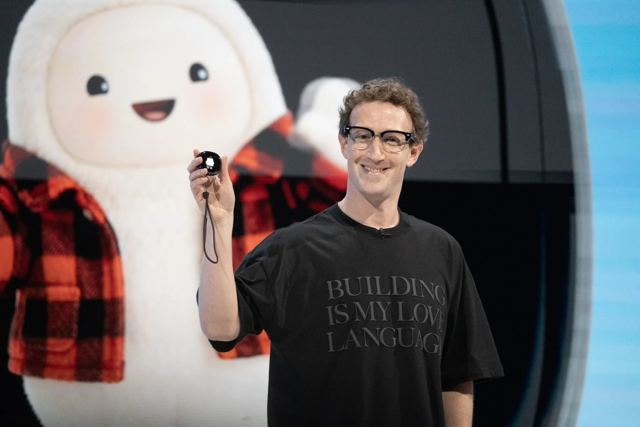
Meta's Muse Charm looks like a Tamagotchi, but it's tapping into a much newer trend
Meta's AI charm looks like a virtual pet but rides newer Gen Z trends: bag charms, retro tech and gadgets as fashion.
NEXTMADE EDITORIAL DIGEST
The story
Meta's AI charm looks like a virtual pet but rides newer Gen Z trends: bag charms, retro tech and gadgets as fashion.
Why it matters
When a device is also an accessory, its cultural reading matters as much as its feature list. The charm format asks whether AI can become something people choose to display, not merely use.
Wearables live on the body and in public. Comfort, social clarity and a legible privacy posture are product features, not finishing touches after the technical system works.
What this changes
For wearables builders, the next useful proof point is not an announcement. It is a repeatable moment where the product works for a real person, in a real setting, with its trade-offs made clear.
Key signals
- Why the object feels personal rather than promotional
- How software personality avoids becoming a gimmick
- Whether the fashion signal survives outside a launch cycle
The NEXTMADE view
We will keep tracking this through the lens of what gets built, tested and adopted next. A product is more interesting when its real-world behaviour becomes clearer than its launch narrative.
Source: TechCrunch. This is an original NEXTMADE editorial article, written from independently phrased analysis and public reporting; it does not reproduce source article text or media.