Meta introduces camera-free AI glasses
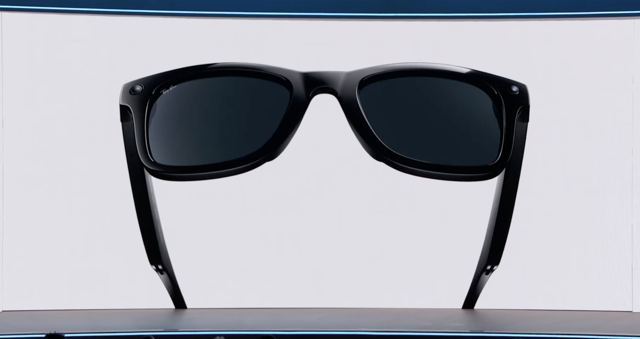
Meta's camera-free AI glasses are lighter, last 12 hours and are pitched as friendlier to privacy.
NEXTMADE EDITORIAL DIGEST
The story
Meta's camera-free AI glasses are lighter, last 12 hours and are pitched as friendlier to privacy.
Why it matters
Removing the camera could make AI eyewear easier to trust in shared spaces. That trade-off is interesting because it puts interaction design, audio and comfort ahead of visual capture.
Wearables live on the body and in public. Comfort, social clarity and a legible privacy posture are product features, not finishing touches after the technical system works.
What this changes
For wearables builders, the next useful proof point is not an announcement. It is a repeatable moment where the product works for a real person, in a real setting, with its trade-offs made clear.
Key signals
- What the glasses can do without a camera
- How the privacy promise is communicated
- Twelve-hour endurance in normal use
The NEXTMADE view
We will keep tracking this through the lens of what gets built, tested and adopted next. A product is more interesting when its real-world behaviour becomes clearer than its launch narrative.
Source: TechCrunch. This is an original NEXTMADE editorial article, written from independently phrased analysis and public reporting; it does not reproduce source article text or media.